Access to Innovation
 Access to Capital
 Access to Talent
 Access to Market
 Access to Knowledge

Recap Smart Safety & Security Talk I How can the smart doorbell become even smarter?
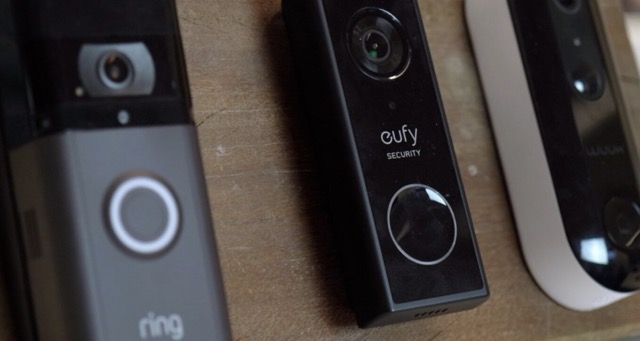
Smart Doorbells, who doesn't know them. Maybe you have one on your door, maybe one of your neighbours; a bell with a camera and sound sensor. It's a cool and handy piece of technology, but what is the impact on our society? In the Netherlands, 1 in 7 households has one, by far the most in Europe. What does it do to the (perception of) safety on the street and at home? And how can you retain the benefits while also protecting the privacy of passersby on public roads?
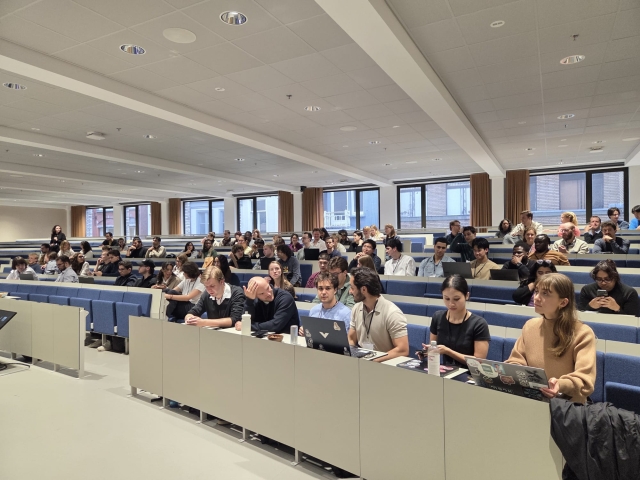
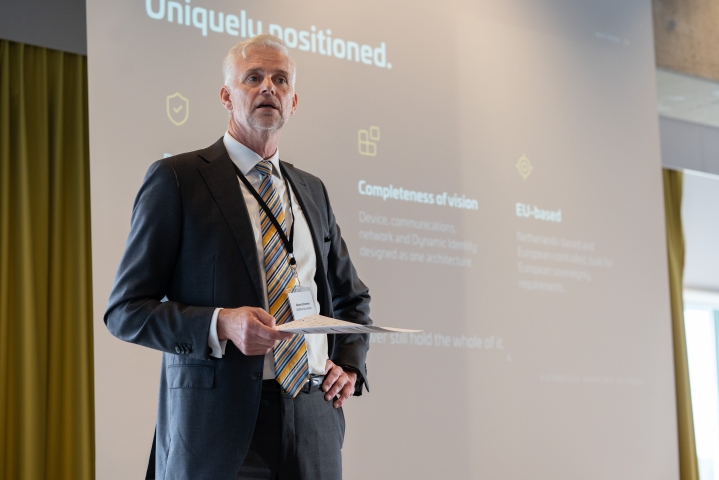
During the Smart Safety & Security Talk on 20 November, organised by the Impact Coalitie Safety & Security, Marieke Beekers-Meijer (Municipality of Breda) presented the key insights from the Smart Doorbells Consortium. This collaboration, which also includes partners from the Impact Coalitie Safety & Security, investigates how smart doorbells can be used responsibly: how do we retain the benefits without unnecessary risks to privacy and security?
Smart doorbells are mostly seen by many citizens as a practical and reassuring solution: you can see who is at the door, respond to visitors or parcel deliveries remotely, and you do not have to open the door immediately. This gives a sense of control and safety, fitting a society that is becoming increasingly individualistic and also more anxious. At the same time, this changes the way we relate to each other: safety is organised 'at a distance', without direct contact or looking each other in the eye. IPSOS research shows that 4 out of 10 Dutch people are positive about smart doorbells, regardless of whether they have one themselves. Yet 14% view them negatively, mainly due to concerns about privacy and surveillance in public spaces.
Smart doorbell owners mostly focus on their own safety and privacy, but are barely aware of the impact on passers-by and neighbours who are recorded without their consent. Although technical options exist to protect privacy, such as setting up privacy zones or using blur filters, these are rarely used in practice.
In addition, there is an underreported but real security risk: smart doorbells can be hacked, allowing third parties to watch live footage of Dutch streets and neighbourhoods. It is also often unclear where camera footage is stored, which parties have access to this data, and whether it is processed outside of the Netherlands, raising questions about data sovereignty.
The challenge is therefore to maintain the benefits of smart doorbells, convenience and a sense of security, while, at the same time, raising awareness and taking concrete measures to better protect the privacy of passers-by, neighbours and residents themselves. The consortium is actively working on this; campaign material to increase this awareness is available through the consortium. (https://slimmedeurbelcheck.nl/)
Secondly, it is also considered whether, and what, regulatory measures are necessary to promote safe use. The consortium also investigates which design solutions can contribute to greater transparency for users. Designers explored ways to better protect privacy by default. Think of:
- Hardware-based privacy restriction, so the owner does not have to activate complicated settings themselves. Like a cover that only lifts when someone rings the doorbell.
- Lens adjustment that only focuses on the immediate door area, leaving the rest blurry.
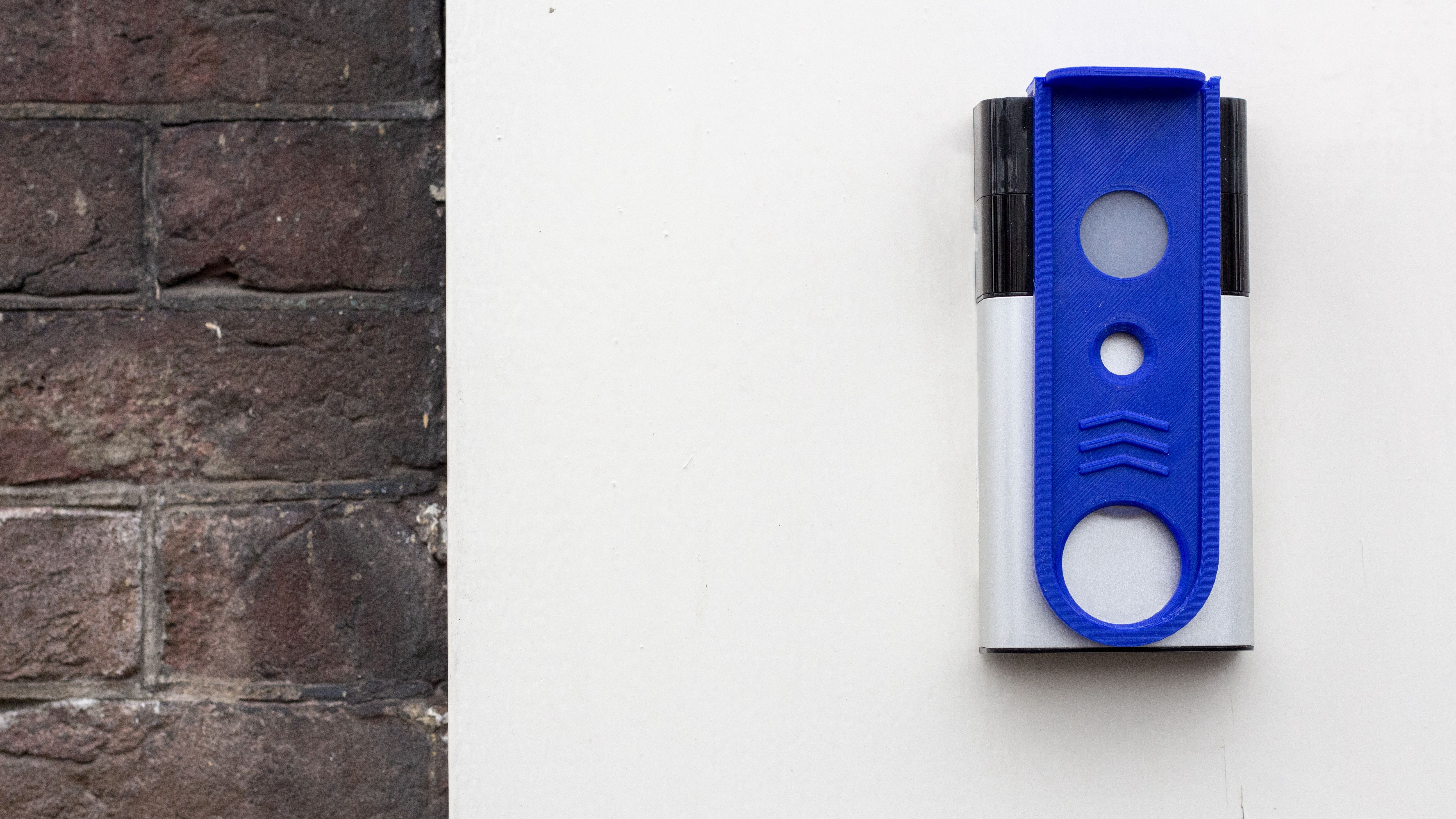
Finally, a wishlist of desired new features is developed, which is then presented to manufacturers to encourage the development of better and safer products. To bring about meaningful change, the consortium aims, in consultation with other cities, to draw up a list of the desired changes to present to both manufacturers and regulatory authorities.
During the Talk, the partners of the Impact Coalitie Safety & Security also observed that it is better to improve the original product rather than have to enforce compliance on the thousands of doorbells in the municipality afterwards. The consortium is investigating whether agreements on standard privacy settings, data processing, and storage are safer and more effective than formal enforcement.
Relevant frameworks
Information from the Data Protection Authority on what is allowed.
Guidelines from, among others, the Municipality of Amsterdam.
European developments, such as the AI Act (relevant for smart cameras).
Registration of smart doorbells on Camera in Beeld.
Conclusion
The smart doorbell offers convenience and a sense of security, but also brings new social and ethical questions. The Smart Doorbell Consortium shows that awareness, intelligent design solutions, and clear agreements or guidelines are needed to use the technology responsibly. The conclusion from the Talk: the smart doorbell does not need to be less smart, but it does need to be smarter in how we interact with it.
Impact Coalitie Safety & Security is a collaboration between municipalities, the police, knowledge institutions, businesses, VNG, and Security Delta. It acts as a catalyst and agenda-setting platform for cities, accelerating the adoption of smart city innovations that enhance urban safety and security. More info: https://veiligesmartcities.nl/
Photo credits: Responsible Sensing Lab