Access to Innovation
 Access to Capital
 Access to Talent
 Access to Market
 Access to Knowledge


A New Hub for Energy Innovation: The 'Smart Energy Factory' Opens Its Doors!
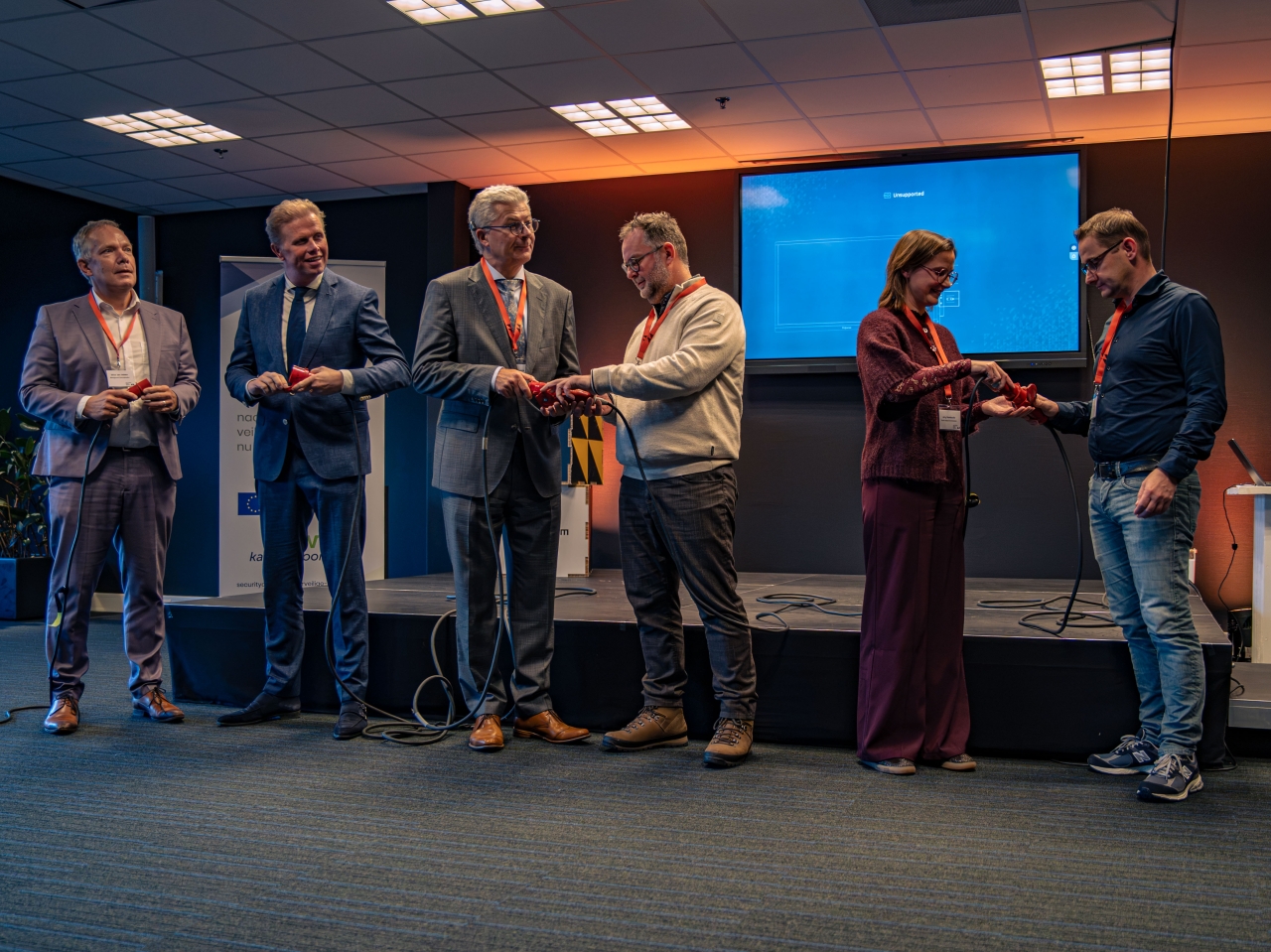
On 19 November, the Smart Energy Fabriek was officially opened on the rooftop of the Duurzaamheidsfabriek, marking an important milestone in bringing the energy transition from ambition to practical application. The facility provides a real-life testing environment where businesses, educational institutions and partners collaborate to develop, test and implement innovative energy solutions.
Equipped with solar panels, battery storage systems, inverters, Energy Management Systems and digital twins, the Smart Energy Fabriek offers opportunities to explore new technologies, launch pilot projects and turn innovative ideas into practical solutions. The installations also generate valuable data to support the region's energy transition and help address grid congestion, while creating opportunities for organisations to get involved.
Bringing innovation and expertise together
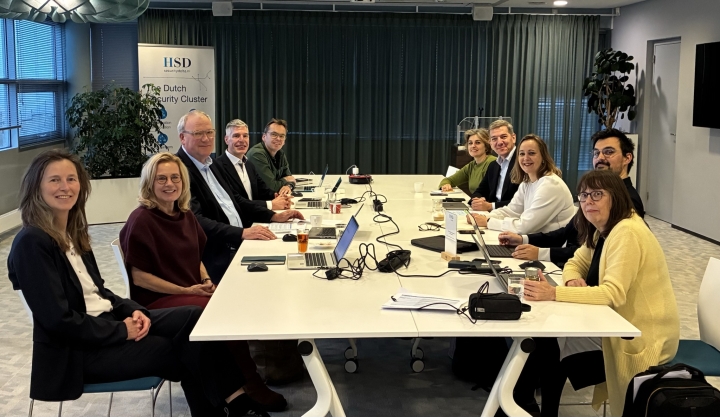
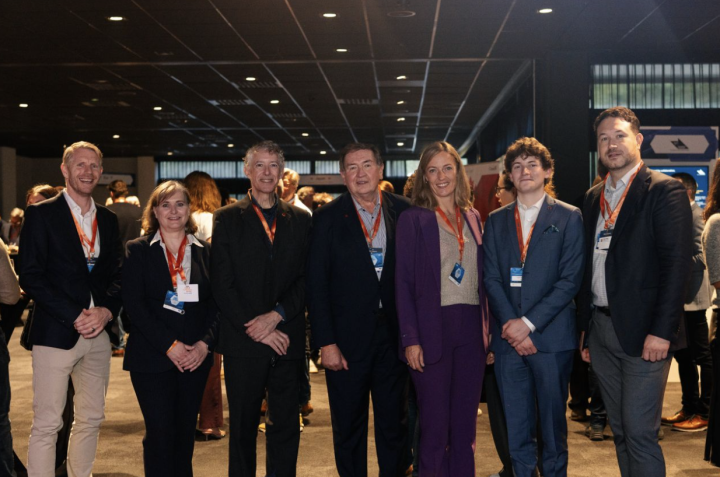
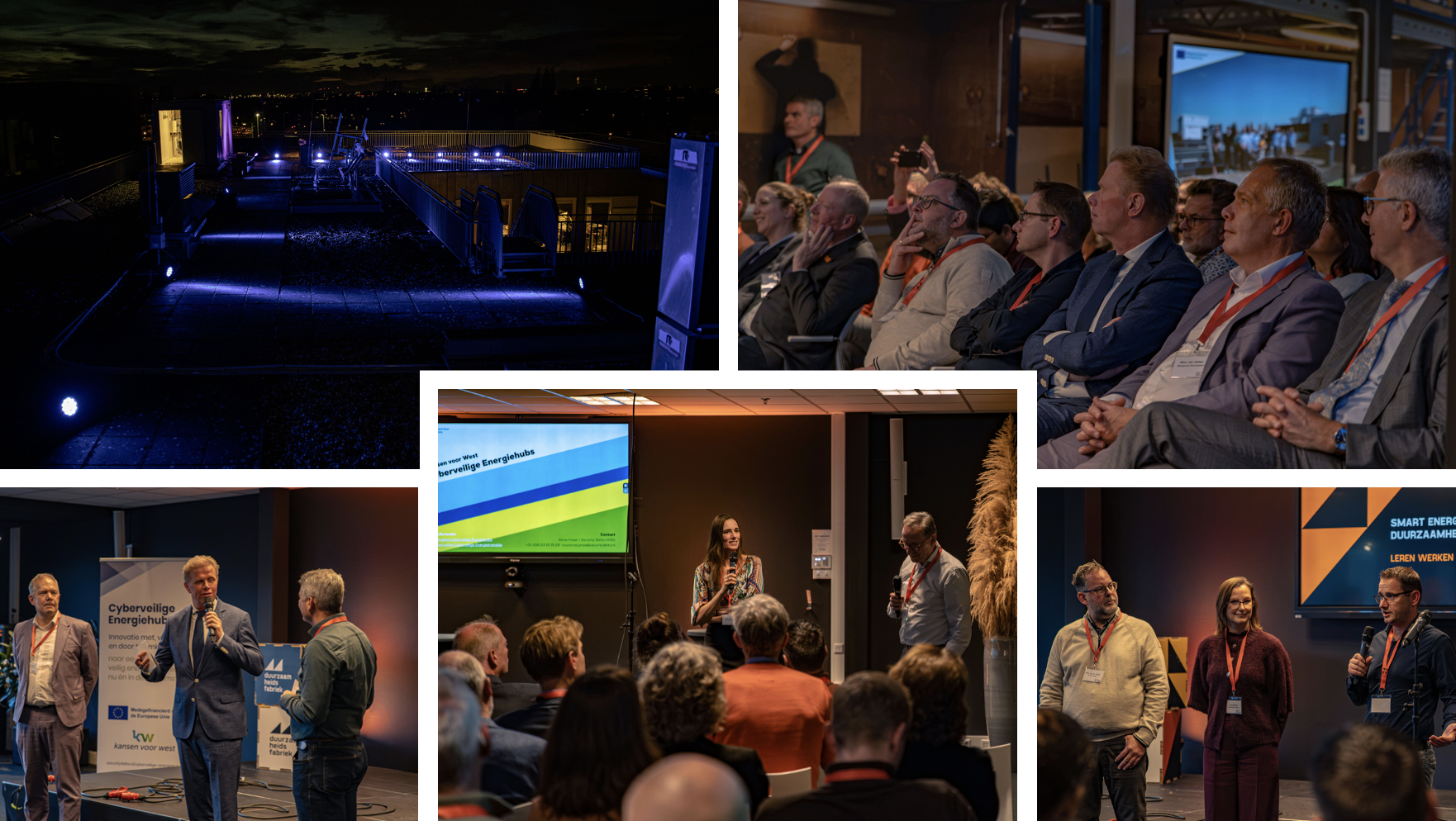
Following the opening remarks by Daan Wortel, Director of the Duurzaamheidsfabriek, he invited six participants to share their perspectives and experiences by posing an individual question to each of them. The speakers included:
-
Wico van Helden – Chair of Employers Drechtsteden and Vitrumnet
-
Arne Weverling – Member of the Provincial Executive of South Holland
-
Henrik Stevens – Chair of the Executive Board, ROC Da Vinci College
-
Peter van der Linden – Lecturer, Da Vinci College
-
Jory Rombouts – Energy Systems and Generation Coordinator, Drechtsteden
-
Adri Copier – ESG / Technical Project Manager, Smart Energy Factory
This was followed by an official opening ceremony and a short video presentation. Representatives from the three Communities of Practice then shared updates on ongoing projects and developments, highlighting the progress already being made and the opportunities for further collaboration. Watch the video here!
The programme concluded with Michiel Smit, who introduced the concept of the Digital Energy Hub and addressed the increasingly important topic of cybersecurity. Although cybersecurity had not yet featured prominently in the programme, it is a crucial consideration in the development and operation of Smart Energy Hubs.
Arne Weverling, Deputy of the Province of South Holland: “The Smart Energy Fabriek demonstrates how we can accelerate the energy transition: by testing innovative solutions in practice and bringing together businesses, educational institutions and government. In doing so, we invest in both innovation and skilled professionals. This is essential for building a strong, future-proof economy in South Holland.”
Security Delta (HSD)
Anne Visser, Senior Programme Manager Cybersecurity and Resilience at HSD, took the stage to highlight the importance of cybersecurity in the energy transition, both in safeguarding security of supply and creating new opportunities for businesses in the South Holland region.
She introduced the Cyber-Secure Energy Hubs project, outlining its three work packages and three field labs, and emphasised the importance of collaboration across the province. She also highlighted the value of the triple helix approach, bringing together businesses, knowledge institutions and government to strengthen regional innovation and resilience.
Cyber-Secure Energy Hubs
The opening of the Smart Energy Factory aligns with the Cyber-Secure Energy Hubs project, as the factory serves as one of the project's three field labs.
In 2026, The ‘Cyber-Secure Energy Hubs’ project has been granted more than €900,000 in 'Kansen voor West' funding to improve the digital security of our energy system as a result of the energy transition. This funding is being used to execute a 3-year project worth more than €1.9 million. Twelve organisations are involved in the execution of this project. The project partners are working on concrete solutions for digital security in the design, development and management phases of these decentralised energy hubs.
- Design: Architecture of digitally secure decentralised energy hubs
- Development: Energy solutions that are designed to be “secure by design” and can be safely connected
- Operation & Maintenance: Protection of existing IT and OT infrastructure
The knowledge acquired will be brought together and translated into practical insights for the secure establishment of energy hubs.
Three field labs are involved in this project. At these physical test locations with existing energy facilities, SMEs from the energy and security sectors develop and test new technologies and security solutions. They also work on practical ways to securely configurate local energy hubs. For example, aXite Security Tools is building a digital twin of the 'Slim Strandnet' in Scheveningen: a digital copy of the installation in which vulnerabilities and security measures can be tested without affecting the energy supply. LiveDrop is doing the same with its virtual data diode solution for the Do IoT Fieldlab. At the Duurzaamheidsfabriek, Technolution, VitrumNet and VMB Automation are looking at the possibilities for security arrangements, such as the choice between centralised or decentralised monitoring at product level. At The Green Village, Currentt and Weaver Technologies are taking their existing energy products and services to a higher level of security. Comforest is doing the same at the Do IoT Fieldlab.
This project is co-funded by the European Union and Kansen voor West and is connected to the Cyber-Secure Energy Transition Innovation Coalition.
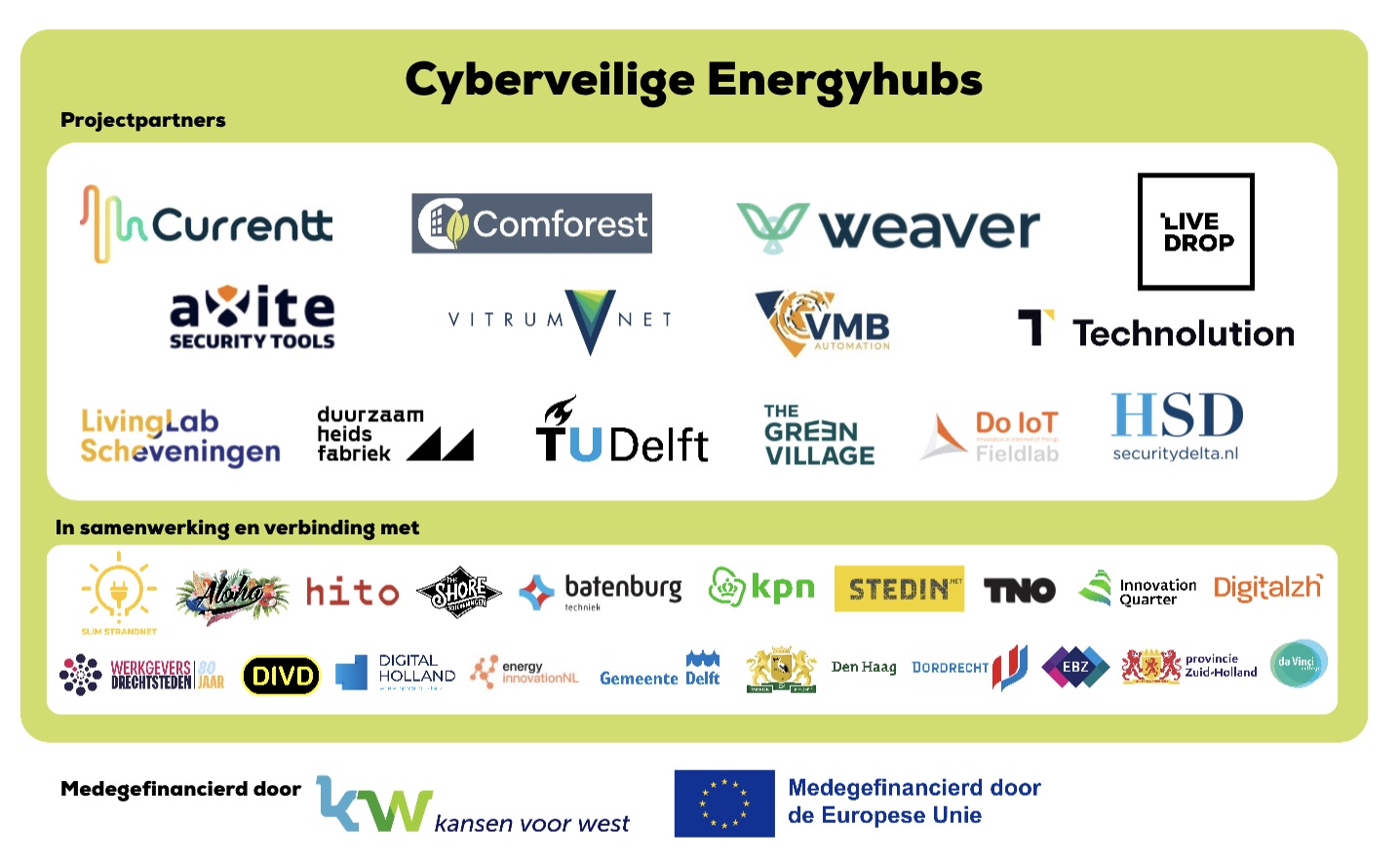
HSD Partners involved