Access to Innovation
 Access to Capital
 Access to Talent
 Access to Market
 Access to Knowledge

ITVZH Meet Up & Share: Building Tomorrow’s IT & Cybersecurity Talent for SMEs
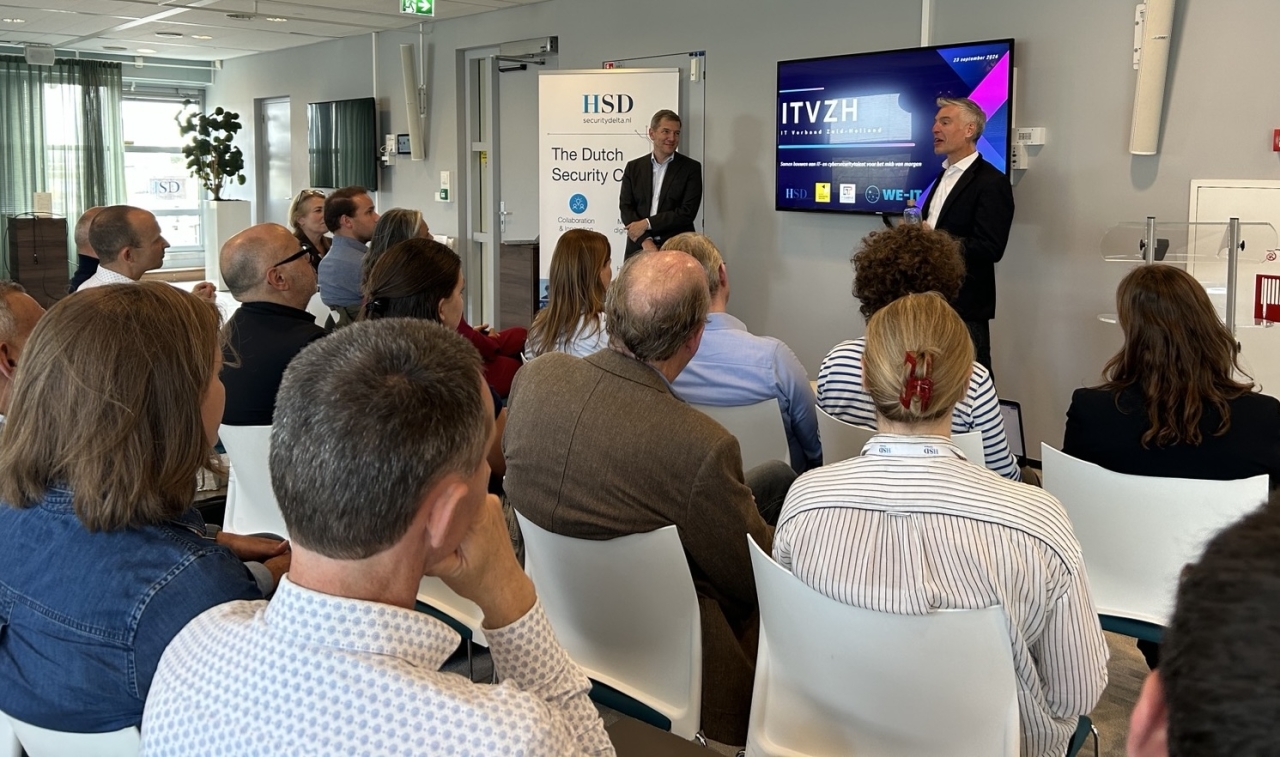
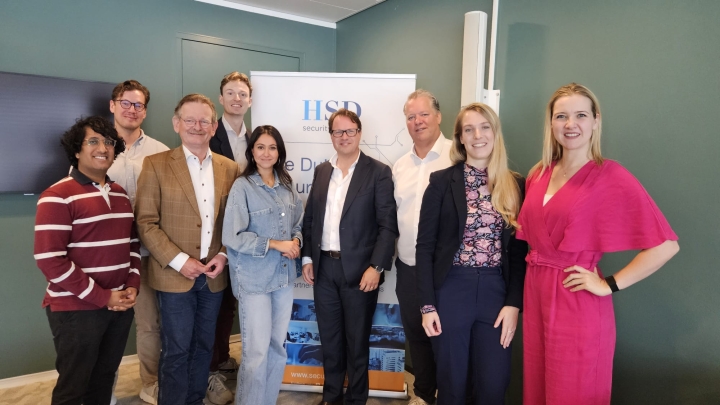
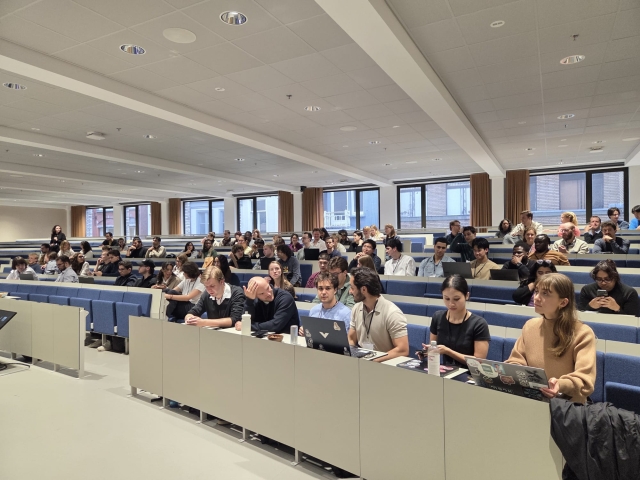
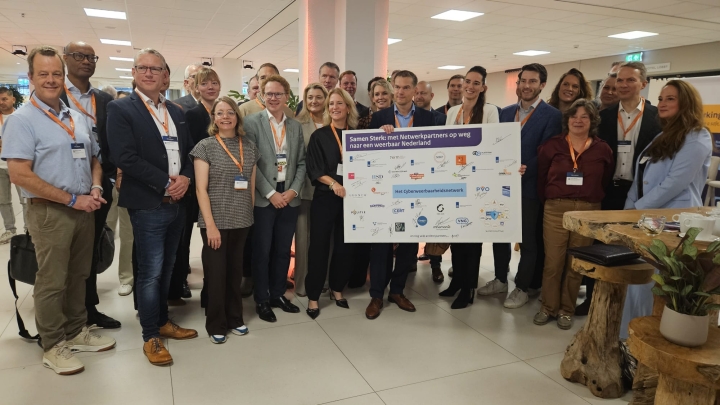
On 23 September, partners of IT Verband Zuid-Holland (ITVZH) came together at the HSD Campus in The Hague for the 5th ITVZH Meet Up & Share session. With the aim to exchange insights, lessons learned and strengthen collaboration to work collectively on tackling the IT and cybersecurity talent shortage affecting SMEs in South Holland.
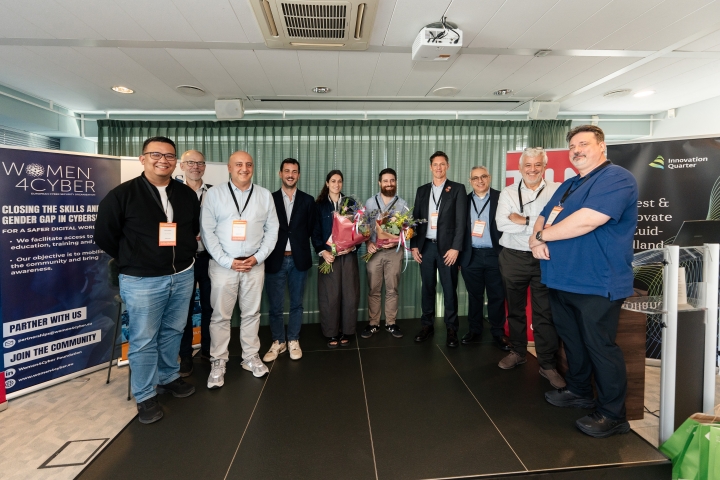
Building on previous Meet Up & Share sessions, this edition focused on the progress made so far, lessons learned and opportunities for strengthening collaboration in the next phase of the programme. 25 Professionals of the ITVZH-programme (We-IT, Dutch Innovation Factory, Security Delta and IT Campus Rotterdam) attended the event.
From Individual Initiatives to Regional Impact
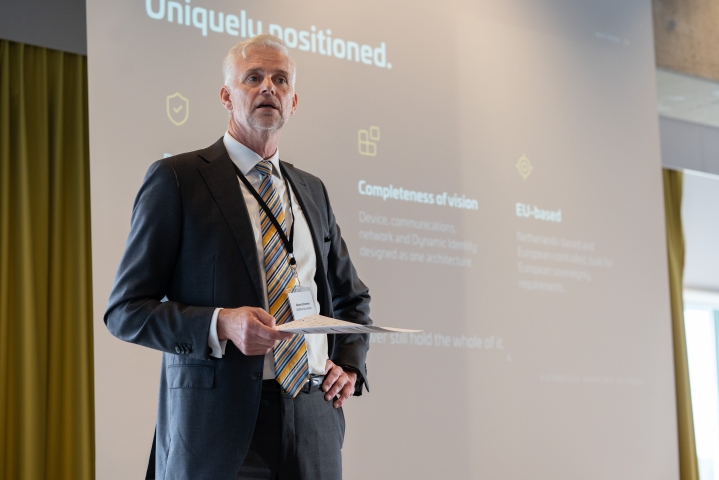
The afternoon opened with Mark Ruijsendaal and Jan Jeronimus, who reflected on the development of ITVZH and the steps made towards closer cooperation between its partners. A key focus was how different initiatives can build on each other and contribute to greater regional impact.
This was followed by contributions from several ITVZH partners, highlighting lessons learned, research, practical initiatives and different approaches to developing the IT and cybersecurity talent needed by SMEs in South Holland.
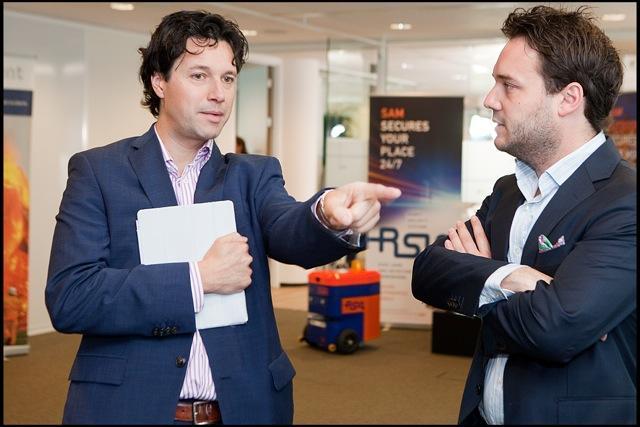
Cybersecurity Talent Development in Practice
WE-IT presented findings from combined research by three research groups at The Hague University of Applied Sciences: Future Urban Systems, Smart Sustainable Manufacturing and Data Science. The research provided insights that can contribute to the further development of ITVZH and its activities in the coming years.
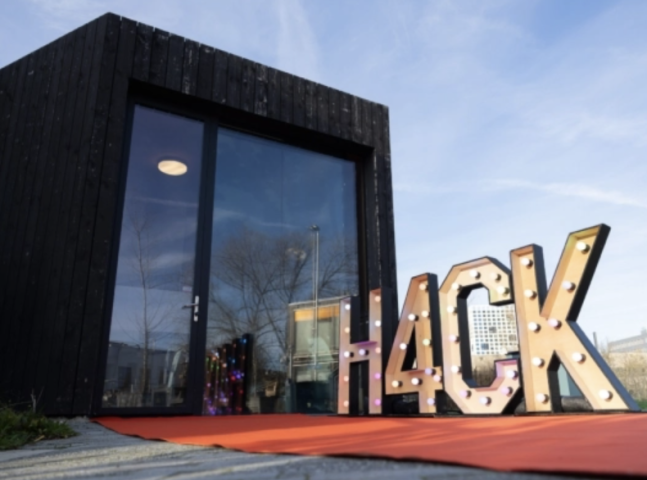
IT Campus Rotterdam shared practical examples of how IT students gain experience with real-world cybersecurity challenges. These included the annual Hack010 event, organised in cooperation with the Municipality of Rotterdam, assignments on social engineering and cybersecurity through Digiwerkplaats Rijnmond, and the development of DigiwerkplaatsLab, which provides 40 internship opportunities for IT students.
Dutch Innovation Factory presented the Cyber Security Living Lab as an approach to lifelong talent development. The contribution highlighted how a practical learning environment can support the continuous development of cybersecurity knowledge and skills.
Security Delta (HSD) presented findings from SecurityTalent.nl research into the IT competencies that SMEs are expected to need from digital talent towards 2030. The research also explored current gaps and the extent to which existing professional development opportunities respond to these future competency needs. In addition, HSD shared their activities to enhance cybersecurity skills and talent for SMEs in the Horticulture sector.
Together, the contributions showed different sides of the cybersecurity talent challenge: understanding future skills needs, providing students with practical experience and creating opportunities for professionals to continue developing their knowledge and competencies throughout their careers.
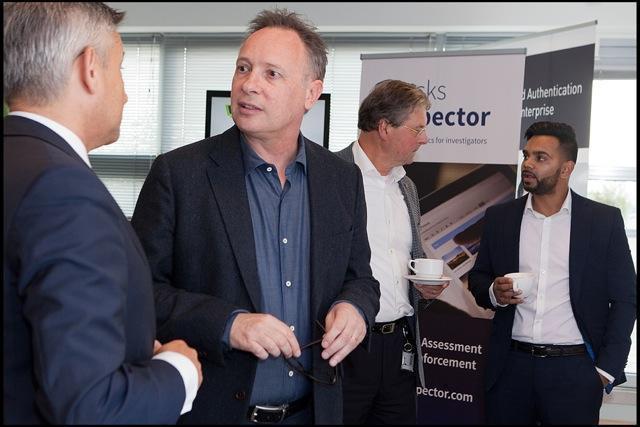
Building Tomorrow’s IT Security Talent for SMEs
The second part of the afternoon focused on the interactive session ‘Building Tomorrow’s IT Security Talent for SMEs’.
The shortage of cybersecurity professionals requires new ways of developing talent and strengthening the connection between education and the labour market. Within ITVZH, public and private partners work together to strengthen IT and cybersecurity talent for SMEs in South Holland. The programme aims to improve the connection between education, the labour market and businesses, helping students, professionals and entrepreneurs develop the knowledge and skills needed in an increasingly digital economy.
During the interactive session, participants exchanged ideas on how existing initiatives could be strengthened and where new opportunities for collaboration could be developed. The key takeaways included:
- Reframing IT skills around where they are applied in practice. IT skills are increasingly relevant across sectors, even in roles that may not traditionally be associated with IT. For example, an IT student who goes on to work as a car mechanic may not immediately recognise the connection. However, modern vehicles rely on software, sensors and digital systems. Highlighting these connections can help demonstrate how IT skills can be applied in different professional contexts.
- Building cyber resilience across an entire ecosystem. The Cyber Resilience Centre for the horticulture sector provides a concrete example of how an ecosystem can become more resilient through awareness, practical guidance and actionable support. This approach can extend from supporting organisations directly to integrating cybersecurity into vocational and higher professional education (MBO/HBO).
- Sharing and replicating successful approaches to IT education. There are already valuable examples of how local IT education initiatives can create tangible impact, including WE-IT and IT Campus Rotterdam. By sharing successful approaches between cities such as Rotterdam and The Hague, proven models can be adapted and replicated, strengthening the wider regional ecosystem.
- Improving opportunities for career switchers entering IT. Participants also highlighted the importance of creating stronger incentives for people who want to retrain for a career in IT. Enabling career switchers to use unemployment benefits or reintegration budgets for IT retraining could lower barriers to making the transition and contribute to increasing the number of people entering the IT workforce.
The 5th Meet Up & Share provided another opportunity for ITVZH partners to exchange experiences, learn from each other’s initiatives and identify opportunities for further collaboration. The insights from the session will contribute to the next steps within the ITVZH programme.
HSD Partners involved